











Post One Hour Before Your Followers Are Most Active for More Reach
Adam Mosseri says to post about an hour before your audience peaks. Here is why that timing works and how to find the best time to post on Instagram from your Professional Dashboard.
Open this article in a favorite AI assistant for a quick summary and analysis.
The timing tip that changes how a post lands
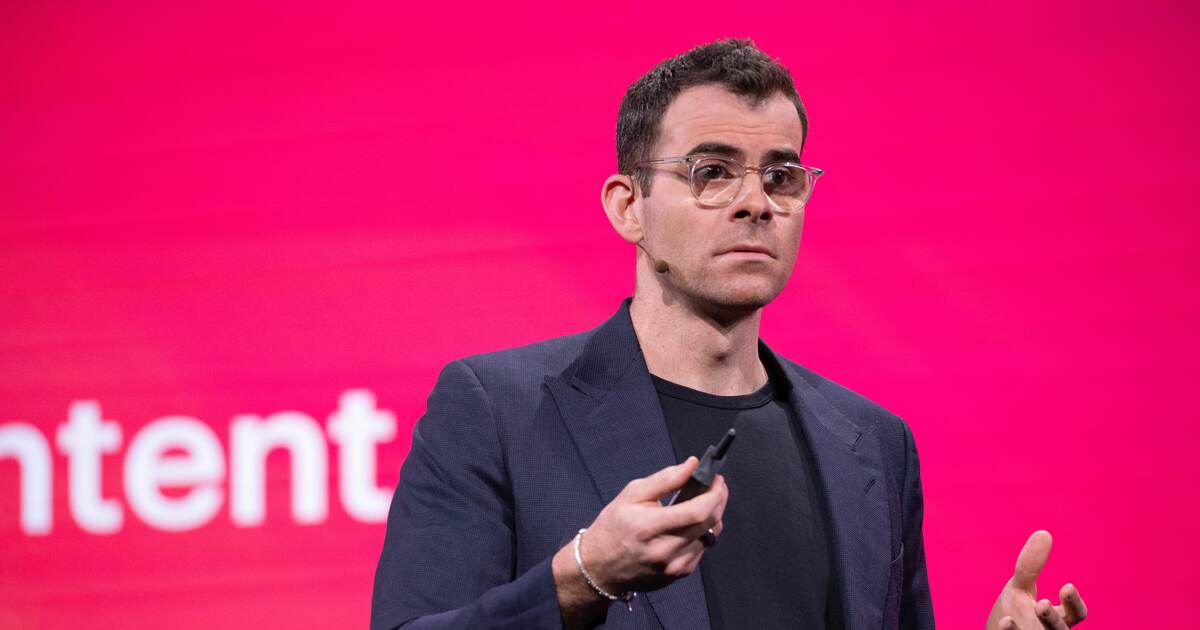
If the goal is more views on a post, the cleanest lever to pull is when it goes out. Adam Mosseri, the head of Instagram since 2018 and the person who sets the app's direction and speaks for it publicly, put it plainly: to get more reach, publish about an hour before your followers are most active. That single shift sounds small, but it lines up with how the platform actually decides who sees what.
Most accounts treat posting time as an afterthought. A photo is ready, so it goes up. The catch is that the moment a post is published starts a quiet test. Instagram shows it to a slice of an audience and watches how that slice responds in the first window. Land that window well and the post earns a wider push. Land it on a sleeping audience and the ceiling is set low before anyone is even awake to see it.
So the best time to post on Instagram is not a fixed hour copied from a generic chart. It is a window tied to one specific audience, and it sits slightly ahead of the peak, not on it.
Why one hour before, not right at the peak
The instinct is to post at the exact moment the most followers are online. More people awake means more eyes, so why not aim straight for the top of the curve.
The reason to go earlier is that reach builds; it does not appear instantly. When a post goes live, the early signals (watch time, saves, and shares in the first stretch) tell the system whether to keep showing it. Those signals need a head start. Publishing an hour before the peak gives the post time to gather that early momentum, so by the time the crowd actually logs on, the post has already proven itself and is riding a wider distribution instead of starting cold.
Think of it as warming the post up before the rush. A clip that has already collected strong watch time meets the peak audience with momentum behind it. A clip published right at the peak is still being tested while the biggest wave scrolls past it.

Where to find your active hours in the Professional Dashboard
The active hours are not a guess; the data lives inside the app. The Professional Dashboard surfaces exactly when an audience is online, broken down by day and by hour. Reading it takes a minute and removes all the guesswork.
To get there, open the profile and tap the Professional Dashboard just below the bio. Open Insights, tap Total followers (or New followers), and scroll to the bottom to the "Most active times" section. It shows the hours when followers tend to open the app, and it can be sorted by day of the week. The bars that spike are the peak hours; the window to aim for sits about an hour before the tallest bar.
A quick note: this data needs a professional or creator account, and it gets more reliable the more followers and activity an account has. New or very small accounts may see thin or jumpy numbers. That is normal early on.
Once those peak hours are clear, the plan writes itself. If most followers come online around 8 p.m. on weekdays, the post wants to go up near 7 p.m. If Sunday peaks earlier, the Sunday post shifts earlier too. Different days often have different curves, so reading the day breakdown beats applying one fixed time to the whole week.

The mistake of trusting a generic best-time chart
Search "best time to post on Instagram" and dozens of charts come back, each confident that some exact hour wins. The trouble is that those charts average millions of accounts across every niche, country, and time zone. They describe a crowd that has nothing to do with one specific audience.
A baker selling to a local town has a completely different active curve than a fitness creator with a global following. A generic chart cannot know that one audience checks Instagram on a lunch break at noon while another scrolls at midnight. Posting at the "globally optimal" hour can mean posting while a real audience is fast asleep.
The Professional Dashboard data wins because it describes the people who actually follow an account. That is the difference between a guess borrowed from strangers and a window measured from a real audience. The best posting time is personal, and it can drift over months as an audience grows or changes, which is why it is worth checking the dashboard again every so often.
Timing only pays off if the moment is not wasted
Hitting the right window does its job: more people see the post, and a good post pulls them in. The reach spike that follows brings a wave of comments and direct messages, often within the same hour the post takes off. That is the moment the timing was built for, and it is also the moment many accounts drop the ball.
When a post lands well, replies pile up faster than one person can answer. People comment asking for a price, a link, or details, and they send DMs expecting a quick response. Leave those sitting for hours and the warm moment cools off; the same algorithm that rewarded the early momentum reads the silence too.
This is where comment and DM automation earns its place. Tools in this category, including Simpliers CHAT, can reply to comments and send the right direct message the instant someone interacts, so a post that peaks at 7 p.m. is not left answering at midnight. Setting up an automatic DM from a comment means the reach earned by good timing actually converts into conversations instead of leaking away. For accounts built around a personal brand, the same setup keeps an influencer audience engaged without living in the inbox.
Timing gets the post seen, and a fast response keeps that attention from going to waste.

Building a repeatable posting rhythm
Finding the window once is useful; turning it into a habit is what compounds. A simple rhythm beats chasing a perfect hour every single day.
Start by checking the most active times in the dashboard and noting the peak for each day. Subtract about an hour and that becomes the target slot. Keep posting in that slot for a few weeks, then look back at which posts traveled furthest. The data confirms or corrects the window, and the routine gets sharper over time.
Consistency matters as much as the clock. An audience that learns to expect content around the same time starts showing up for it, which feeds the early engagement the system reads. Pair a steady slot with a fast reply setup and the two reinforce each other: reliable timing brings the crowd, and quick responses keep them.
Quick answers on Instagram posting time
Does posting time actually affect Instagram reach?
Yes. The first window after publishing is when Instagram tests a post on a small audience and decides how widely to push it. Posting when followers are about to come online gives those early signals room to build, which can lift total reach well beyond a post sent to a sleeping audience.
What is the best time to post on Instagram?
There is no single best hour for everyone. The best time to post on Instagram is roughly one hour before a specific audience is most active, and those active hours sit in the Professional Dashboard, under Insights in the followers section. Generic charts average unrelated accounts and rarely match a real follower base.
How do I find when my followers are most active?
Open your profile, tap the Professional Dashboard, open Insights, then tap Total followers or New followers and scroll down to "Most active times". It breaks activity down by hour and by day of the week. The tallest bars are the peak hours; aim to publish about an hour before them. The feature needs a creator or business account.
Bringing it together
The reach lever hiding in plain sight is timing, and the rule is easy to hold: publish about an hour before an audience peaks, using the active hours the Professional Dashboard already measures rather than a chart built from strangers. That head start lets a post gather early momentum and meet the crowd already moving.
Timing opens the door, but the moment only pays off if the replies that follow are caught while attention is hot. Read the dashboard, claim the window before the peak, post consistently, and make sure no comment or message sits waiting. Done together, the right hour stops being a lucky guess and becomes a reliable part of how every post performs.