








How to Create an AI Influencer on Instagram
A practical, honest guide to building an AI influencer on Instagram, from designing a consistent character to growing the account and staying transparent.
Open this article in a favorite AI assistant for a quick summary and analysis.
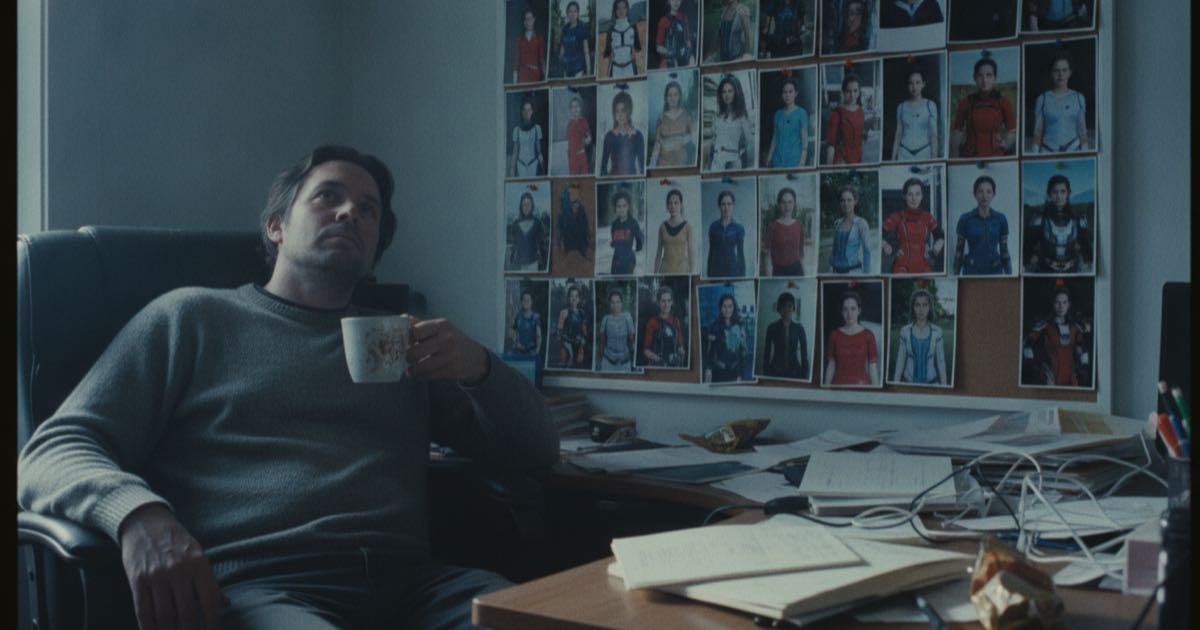
A face that does not need a camera
To build a recognizable presence on Instagram without hiring models, booking studios, or stepping in front of a lens yourself, the move people are making now is to design a digital persona and post as that character. Learning how to create an AI influencer on Instagram is less about one magic tool and more about building a believable identity that shows up the same way, post after post.
The hard part is rarely the first good image. Anyone can generate one striking portrait in a few minutes. The wall most people hit comes the moment they need that exact same face again, in a different outfit, in a new setting, looking like the same person. Get that part right and a single character can carry an entire account.
What an AI influencer really is
An AI influencer is a synthetic persona; a consistent fictional character whose photos and videos are generated rather than shot. The account looks and behaves like any other creator profile, with a name, a style, a recurring face, and a feed that tells a story over time. Some of the largest virtual creators have built audiences in the millions, and small brands now spin up their own in an afternoon.
What matters is the word consistent. A virtual influencer that looks like a slightly different woman in every post reads as a stock-photo collage, not a person. The whole point is that followers come to recognize one face and one vibe.
Design the character before you touch a tool
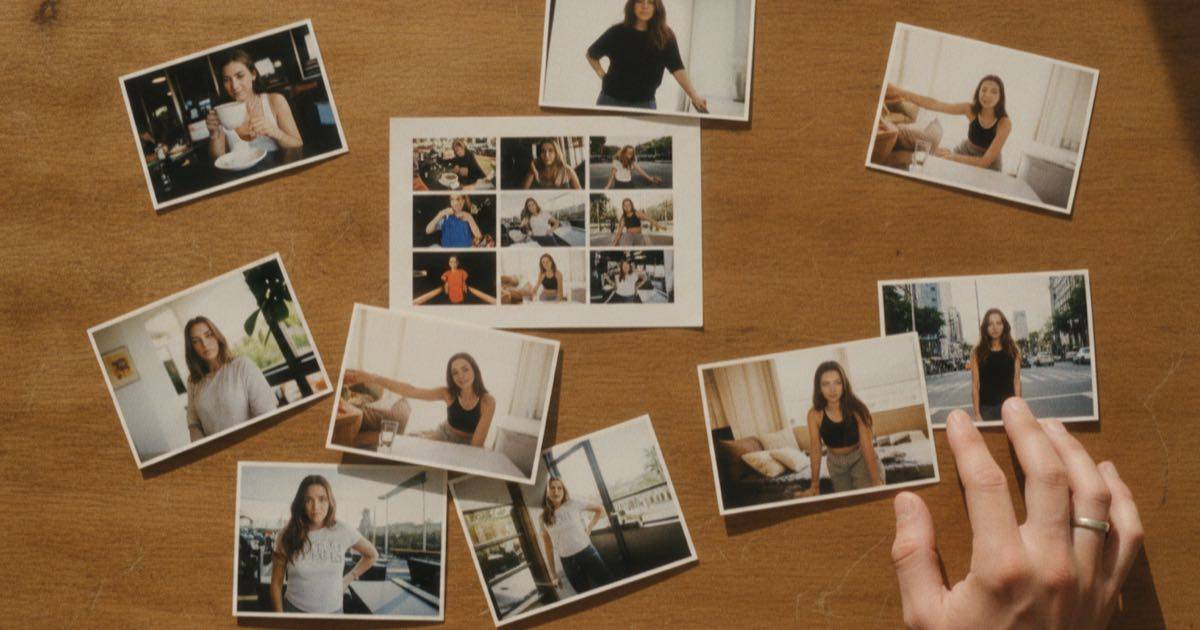
The accounts that work start from identity, not from images. Before generating anything, the look gets defined and written down: approximate age, build, hair, face shape, a signature style, even a personality and the kind of life this persona appears to lead. A fitness-leaning character lives in gyms and trails; a beauty-leaning one lives in bathrooms and soft daylight.
This brief becomes the anchor for everything that follows. The clearer the description, the more stable the face stays across hundreds of generations. Vague characters drift; specific ones hold.
It helps to name the persona and give it a backstory too. Not because followers read a biography, but because a defined character produces more coherent content. The outfits, captions, and scenes all start to agree with each other.
Keeping the same face in every single post
This is the real skill, and it is exactly where most first attempts fall apart. Basic image generators produce a brand-new person every time, so the trick is to lock a character's appearance once and reuse it. Approaches range from training a small custom model on a set of reference images, to using a platform built around saved, reusable characters.
A reliable habit before committing to any persona: generate a test batch of five or six images of the face from different angles; straight on, profile, three-quarter, looking down. If the bone structure shifts, the nose changes shape, or the face quietly becomes someone else between shots, the setup is not ready. Tweak it or start over with a different base before producing a full library.
Some faces simply generate more consistently than others, and it is not always obvious why. Testing early saves hours of regenerating later.
Choosing the tools that fit the work
There is no single correct stack, and the popular tools shift constantly. For images, Midjourney, Stable Diffusion (often with LoRA training for a custom face), Leonardo AI, and Artbreeder are common starting points, while dedicated AI influencer platforms like APOB wrap the whole character workflow into one place so the same face can be reused without technical setup. For video and talking clips, HeyGen, Synthesia, and Pika come up most often, and a light editor such as Canva or Photoshop handles touch-ups and product placement.
Two practical filters cut through the noise. First, does the tool keep a character consistent, or does it forget the face between generations? Second, does it fit the actual budget once free credits run out, since fulfilling a real posting schedule burns through generations faster than most expect.
Resist the urge to collect ten tools. One image solution that handles face consistency well, plus one editor for touch-ups, covers most of what an Instagram feed needs.
From one image to a full content library
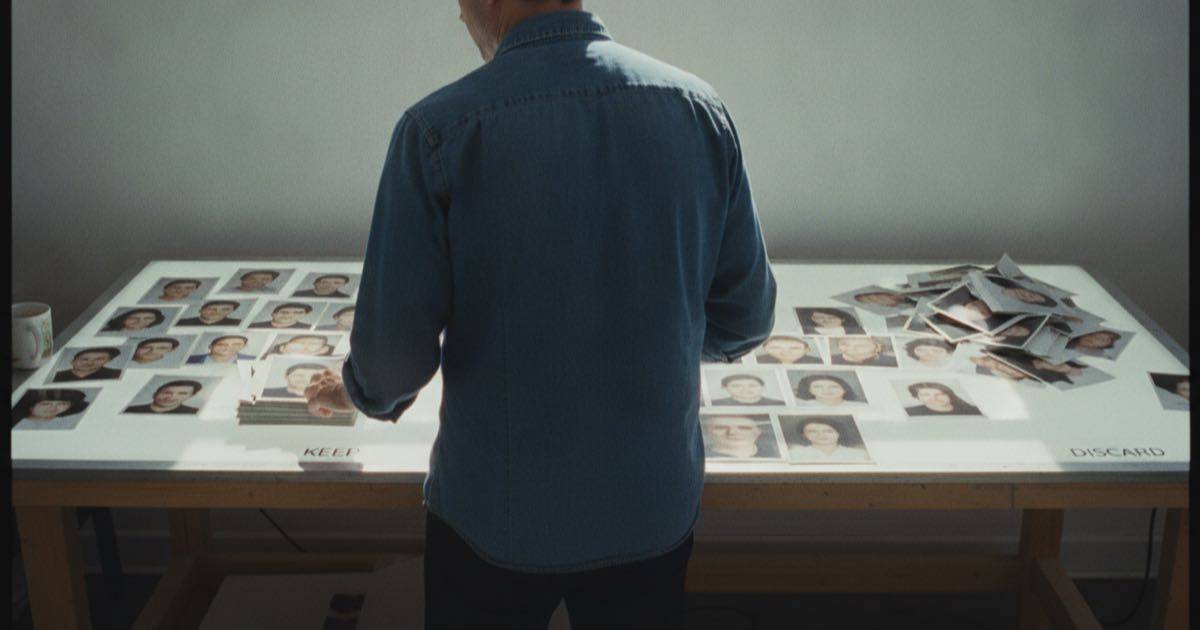
A real account is not one photo; it is dozens of them, dripped out over weeks. The working method is to generate far more images than needed and then cull hard. Weird hands, mismatched lighting, an uncanny expression, a background that drifts off-style; plenty of outputs get thrown away, especially early on.
Building a small document of scene templates that reliably produce good results turns this from guesswork into a repeatable process. Swap the details per post, keep the character locked, and a month of content comes together in a few sittings rather than a daily scramble.
Bringing the character to life with video
Stills build the feed, but Reels and short clips are where reach often lives now. Video is meaningfully harder than photos. Early attempts tend to show slightly off lip-sync, stiff motion, or a face that loses its likeness once it moves. The fix is the same as with images: test small, expect revisions, and keep clips short while the technology matures.
Treat video as the second phase, not the launch. A consistent photo feed earns followers first; motion content deepens the illusion once the character is established.
Growing the account once the content exists
Great images do not grow an account on their own. The same fundamentals that work for human creators apply here: a clear niche, a consistent visual style, regular posting, and genuine interaction in the comments and DMs. An AI influencer on Instagram still has to behave like a real account to earn reach.
As followers arrive, replies and direct messages start piling up, and answering them by hand quickly becomes the bottleneck. This is where comment and DM automation tools come in; platforms such as Simpliers CHAT help a growing influencer account keep up with conversations without leaving anyone on read. The persona may be synthetic, but the engagement still has to feel timely and human.
Staying honest about what the audience is seeing
Disclosure is no longer optional thinking, and it is increasingly a selling point rather than a liability. Audiences respond better to a character that is openly AI than to one that pretends to be a real person and gets caught. The cautionary tales already exist; synthetic personas presented as real humans tend to end in backlash once the truth surfaces.
The clean approach is to be upfront in the bio and to avoid passing the character off as a genuine human endorser, especially for health, finance, or anything where trust carries real stakes. Transparency protects the account long term and tends to attract the kind of brands worth working with.
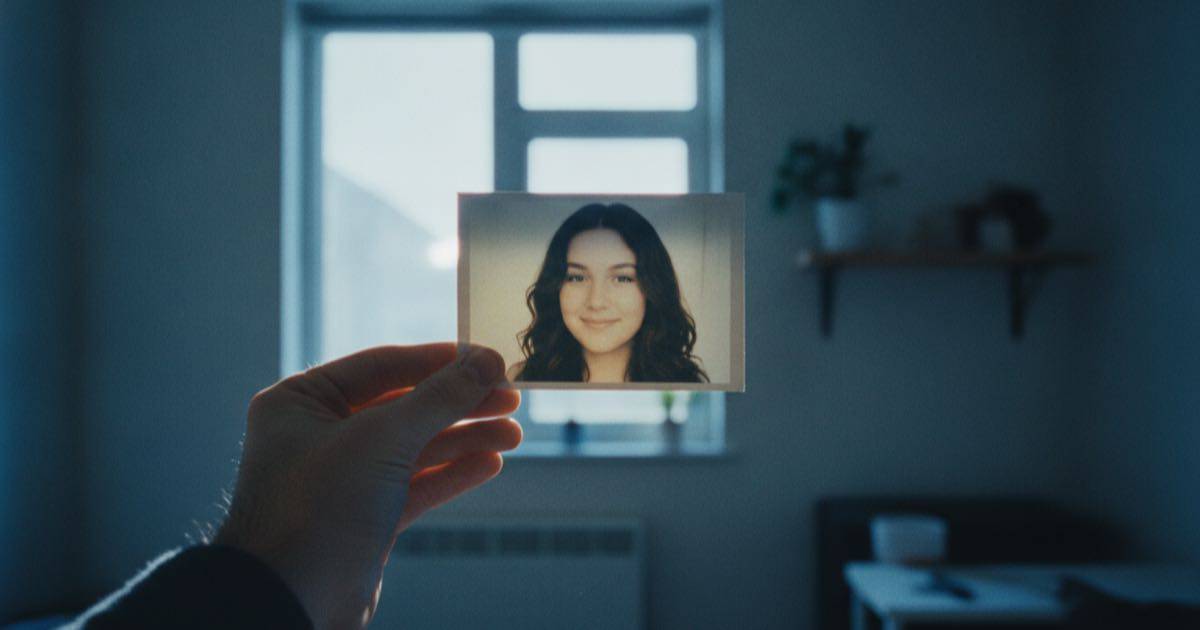
Quick answers on creating an AI influencer on Instagram
Can people tell an AI influencer is fake?
At Instagram resolution, often no. Many small brands and followers cannot reliably distinguish a well-made AI character from a real photo in a feed, especially in lifestyle settings. Up close, at full resolution, or in fast motion, tells like odd hands and shifting features still appear, so quality control matters.
How do you keep the same AI face in every photo?
Lock the character once and reuse it instead of generating fresh each time. That means either training a small custom model on reference images or using a platform built around saved, reusable characters. Run a five or six image test batch across angles first to confirm the face holds before producing a full set.
Do you have to disclose that an influencer is AI?
Yes, you should disclose it clearly, both for trust and to stay on the right side of platform and advertising rules. State plainly in the bio that the persona is AI generated and never present the character as a real human endorser, particularly for sensitive niches like health or finance where misleading claims carry real consequences.
Bringing it together
Creating an AI influencer on Instagram comes down to one discipline repeated well: define a specific character, lock the face so it stays consistent, generate far more than you keep, and grow the account with the same honesty and interaction any real creator needs. The tools will keep changing, but a recognizable identity and a transparent relationship with the audience are what actually carry a virtual influencer over the long run.
Start small with a single, well-defined persona and a steady posting rhythm. Consistency, on the face and on the calendar, is what turns generated images into an account people choose to follow.